Cleaning a stone floor may seem a simple task but stone, being a
natural material, has to be treated carefully and because there are so
many different types of stone flooring each has to be treated in its own
particular way.

Stone varies in durability and texture, for instance marble is dense and hard wearing whereas sandstone for example is also hard wearing but also less dense than marble making it susceptible to staining. The best way to keep a stone floor looking good is regular cleaning to prevent the build-up of deposits and stains which can accumulate over time. In a commercial environment efficient cleaning is important as it limits the time that the cleaning operation potentially interferes with the working day.
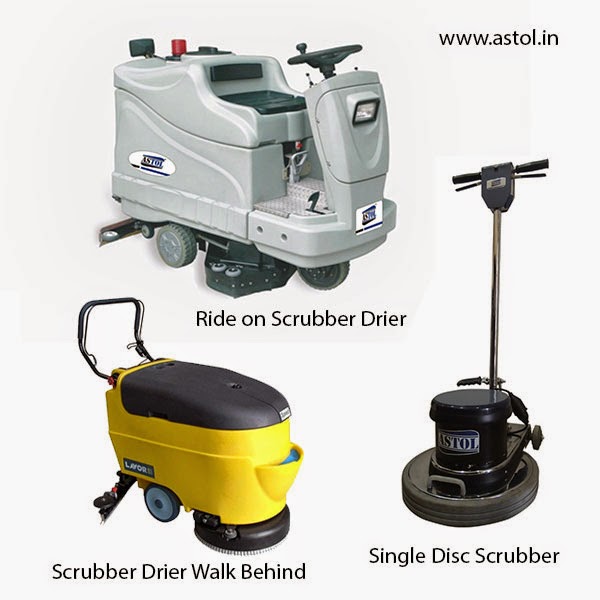
There are cleaning machines available for cleaning stone floors which are considerably quicker than a mop and bucket, and more health and safety friendly! For general cleaning of large stone floors a scrubber dryer would fit the bill as its rotating brushes together with a proprietary chemical solution suitable for the type of stone floor being cleaned, ensures effective cleaning. A more adaptable machine is the rotary floor cleaning machine also known as a single disc machine. This type of stone floor cleaning machine allows for the cleaning brush or pad to be changed easily to suit the cleaning purpose. For instance when cleaning marble floors a diamond finisher pad can be attached which grinds out the imperfections of the stone to return it to its original condition. There are various attachments for cleaning, buffing and polishing which means one machine can carry out a variety of cleaning actions. Once the floor has been cleaned it should be sealed with a good quality sealant to protect the surface and make any spillages or stains easier to remove.
So there is complexity in cleaning stone floors as there are so many variables. The type of stone, the degree of staining, even the accessibility to carry out the cleaning operation, all play their part is deciding how to go about it. The best way to decide how to clean a stone floor is to get advice at the outset about the type of cleaning machine and cleaning products that will be needed to get the job done.
Stone varies in durability and texture, for instance marble is dense and hard wearing whereas sandstone for example is also hard wearing but also less dense than marble making it susceptible to staining. The best way to keep a stone floor looking good is regular cleaning to prevent the build-up of deposits and stains which can accumulate over time. In a commercial environment efficient cleaning is important as it limits the time that the cleaning operation potentially interferes with the working day.
There are cleaning machines available for cleaning stone floors which are considerably quicker than a mop and bucket, and more health and safety friendly! For general cleaning of large stone floors a scrubber dryer would fit the bill as its rotating brushes together with a proprietary chemical solution suitable for the type of stone floor being cleaned, ensures effective cleaning. A more adaptable machine is the rotary floor cleaning machine also known as a single disc machine. This type of stone floor cleaning machine allows for the cleaning brush or pad to be changed easily to suit the cleaning purpose. For instance when cleaning marble floors a diamond finisher pad can be attached which grinds out the imperfections of the stone to return it to its original condition. There are various attachments for cleaning, buffing and polishing which means one machine can carry out a variety of cleaning actions. Once the floor has been cleaned it should be sealed with a good quality sealant to protect the surface and make any spillages or stains easier to remove.
So there is complexity in cleaning stone floors as there are so many variables. The type of stone, the degree of staining, even the accessibility to carry out the cleaning operation, all play their part is deciding how to go about it. The best way to decide how to clean a stone floor is to get advice at the outset about the type of cleaning machine and cleaning products that will be needed to get the job done.
In
spite of all the advances being made in the category, there’s still
independent testing and the human factor to consider. According to
Rathey, managers in the market for a new backpack vacuum should consider
one that is approved by the Carpet and Rug Institute. From there, the
machine is only as good as the human factor it takes to maintain and
operate.
“When you add the human factor as part of the machine, procedures need to center around maintenance and training,” says Rathey. “While current models are more ergonomic, employee training is the basis for the best results to help prevent injuries.”
When putting together a maintenance plan for backpack vacuums, first check with the equipment manufacturer. In addition to what’s outlined by manufacturers, staff should be checking filters and cords on a regular basis.
“Filters should be emptied after every two hours of usage and micro filters should be discarded every week and replaced with new ones,” says Walker. “Cloth and exhaust filters should be rinsed out on a weekly basis and replaced when they’re worn. This helps prolong the life of the vacuum.”
It is also important for staff to wind cords properly as they move through the building.
“If this doesn’t happen, in a very short period of time, the cords will end up looking like a 50-foot long ramen noodle,” adds Walker. “Once this happens, cord breakage and torn sheathing is next.”
When checking the cords, train staff to also examine the power plug prongs.
“I see broken prongs in almost every cleaning operation I visit,” says Walker. “Cleaning workers must know that broken prongs need to be reported and extension cords need to be replaced.”
With proper care, this equipment can remain a long-lasting staple for custodial departments. Managers looking to increase cleaning efficiency and productivity of their staff should add ongoing training and maintenance procedures as equipment is introduced. They should also keep on top of equipment advancements that can streamline existing carpet care programs. - See more at: http://www.cleanlink.com/hs/article/Proper-Maintenance-Of-Backpack-Vacuums--17403#sthash.ZOPaPQgu.dpuf
“When you add the human factor as part of the machine, procedures need to center around maintenance and training,” says Rathey. “While current models are more ergonomic, employee training is the basis for the best results to help prevent injuries.”
When putting together a maintenance plan for backpack vacuums, first check with the equipment manufacturer. In addition to what’s outlined by manufacturers, staff should be checking filters and cords on a regular basis.
“Filters should be emptied after every two hours of usage and micro filters should be discarded every week and replaced with new ones,” says Walker. “Cloth and exhaust filters should be rinsed out on a weekly basis and replaced when they’re worn. This helps prolong the life of the vacuum.”
It is also important for staff to wind cords properly as they move through the building.
“If this doesn’t happen, in a very short period of time, the cords will end up looking like a 50-foot long ramen noodle,” adds Walker. “Once this happens, cord breakage and torn sheathing is next.”
When checking the cords, train staff to also examine the power plug prongs.
“I see broken prongs in almost every cleaning operation I visit,” says Walker. “Cleaning workers must know that broken prongs need to be reported and extension cords need to be replaced.”
With proper care, this equipment can remain a long-lasting staple for custodial departments. Managers looking to increase cleaning efficiency and productivity of their staff should add ongoing training and maintenance procedures as equipment is introduced. They should also keep on top of equipment advancements that can streamline existing carpet care programs. - See more at: http://www.cleanlink.com/hs/article/Proper-Maintenance-Of-Backpack-Vacuums--17403#sthash.ZOPaPQgu.dpuf
In
spite of all the advances being made in the category, there’s still
independent testing and the human factor to consider. According to
Rathey, managers in the market for a new backpack vacuum should consider
one that is approved by the Carpet and Rug Institute. From there, the
machine is only as good as the human factor it takes to maintain and
operate.
“When you add the human factor as part of the machine, procedures need to center around maintenance and training,” says Rathey. “While current models are more ergonomic, employee training is the basis for the best results to help prevent injuries.”
When putting together a maintenance plan for backpack vacuums, first check with the equipment manufacturer. In addition to what’s outlined by manufacturers, staff should be checking filters and cords on a regular basis.
“Filters should be emptied after every two hours of usage and micro filters should be discarded every week and replaced with new ones,” says Walker. “Cloth and exhaust filters should be rinsed out on a weekly basis and replaced when they’re worn. This helps prolong the life of the vacuum.”
It is also important for staff to wind cords properly as they move through the building.
“If this doesn’t happen, in a very short period of time, the cords will end up looking like a 50-foot long ramen noodle,” adds Walker. “Once this happens, cord breakage and torn sheathing is next.”
When checking the cords, train staff to also examine the power plug prongs.
“I see broken prongs in almost every cleaning operation I visit,” says Walker. “Cleaning workers must know that broken prongs need to be reported and extension cords need to be replaced.”
With proper care, this equipment can remain a long-lasting staple for custodial departments. Managers looking to increase cleaning efficiency and productivity of their staff should add ongoing training and maintenance procedures as equipment is introduced. They should also keep on top of equipment advancements that can streamline existing carpet care programs. - See more at: http://www.cleanlink.com/hs/article/Proper-Maintenance-Of-Backpack-Vacuums--17403#sthash.ZOPaPQgu.dpuf
“When you add the human factor as part of the machine, procedures need to center around maintenance and training,” says Rathey. “While current models are more ergonomic, employee training is the basis for the best results to help prevent injuries.”
When putting together a maintenance plan for backpack vacuums, first check with the equipment manufacturer. In addition to what’s outlined by manufacturers, staff should be checking filters and cords on a regular basis.
“Filters should be emptied after every two hours of usage and micro filters should be discarded every week and replaced with new ones,” says Walker. “Cloth and exhaust filters should be rinsed out on a weekly basis and replaced when they’re worn. This helps prolong the life of the vacuum.”
It is also important for staff to wind cords properly as they move through the building.
“If this doesn’t happen, in a very short period of time, the cords will end up looking like a 50-foot long ramen noodle,” adds Walker. “Once this happens, cord breakage and torn sheathing is next.”
When checking the cords, train staff to also examine the power plug prongs.
“I see broken prongs in almost every cleaning operation I visit,” says Walker. “Cleaning workers must know that broken prongs need to be reported and extension cords need to be replaced.”
With proper care, this equipment can remain a long-lasting staple for custodial departments. Managers looking to increase cleaning efficiency and productivity of their staff should add ongoing training and maintenance procedures as equipment is introduced. They should also keep on top of equipment advancements that can streamline existing carpet care programs. - See more at: http://www.cleanlink.com/hs/article/Proper-Maintenance-Of-Backpack-Vacuums--17403#sthash.ZOPaPQgu.dpuf
In
spite of all the advances being made in the category, there’s still
independent testing and the human factor to consider. According to
Rathey, managers in the market for a new backpack vacuum should consider
one that is approved by the Carpet and Rug Institute. From there, the
machine is only as good as the human factor it takes to maintain and
operate.
“When you add the human factor as part of the machine, procedures need to center around maintenance and training,” says Rathey. “While current models are more ergonomic, employee training is the basis for the best results to help prevent injuries.”
When putting together a maintenance plan for backpack vacuums, first check with the equipment manufacturer. In addition to what’s outlined by manufacturers, staff should be checking filters and cords on a regular basis.
“Filters should be emptied after every two hours of usage and micro filters should be discarded every week and replaced with new ones,” says Walker. “Cloth and exhaust filters should be rinsed out on a weekly basis and replaced when they’re worn. This helps prolong the life of the vacuum.”
It is also important for staff to wind cords properly as they move through the building.
“If this doesn’t happen, in a very short period of time, the cords will end up looking like a 50-foot long ramen noodle,” adds Walker. “Once this happens, cord breakage and torn sheathing is next.”
When checking the cords, train staff to also examine the power plug prongs.
“I see broken prongs in almost every cleaning operation I visit,” says Walker. “Cleaning workers must know that broken prongs need to be reported and extension cords need to be replaced.”
With proper care, this equipment can remain a long-lasting staple for custodial departments. Managers looking to increase cleaning efficiency and productivity of their staff should add ongoing training and maintenance procedures as equipment is introduced. They should also keep on top of equipment advancements that can streamline existing carpet care programs. - See more at: http://www.cleanlink.com/hs/article/Proper-Maintenance-Of-Backpack-Vacuums--17403#sthash.ZOPaPQgu.dpuf
“When you add the human factor as part of the machine, procedures need to center around maintenance and training,” says Rathey. “While current models are more ergonomic, employee training is the basis for the best results to help prevent injuries.”
When putting together a maintenance plan for backpack vacuums, first check with the equipment manufacturer. In addition to what’s outlined by manufacturers, staff should be checking filters and cords on a regular basis.
“Filters should be emptied after every two hours of usage and micro filters should be discarded every week and replaced with new ones,” says Walker. “Cloth and exhaust filters should be rinsed out on a weekly basis and replaced when they’re worn. This helps prolong the life of the vacuum.”
It is also important for staff to wind cords properly as they move through the building.
“If this doesn’t happen, in a very short period of time, the cords will end up looking like a 50-foot long ramen noodle,” adds Walker. “Once this happens, cord breakage and torn sheathing is next.”
When checking the cords, train staff to also examine the power plug prongs.
“I see broken prongs in almost every cleaning operation I visit,” says Walker. “Cleaning workers must know that broken prongs need to be reported and extension cords need to be replaced.”
With proper care, this equipment can remain a long-lasting staple for custodial departments. Managers looking to increase cleaning efficiency and productivity of their staff should add ongoing training and maintenance procedures as equipment is introduced. They should also keep on top of equipment advancements that can streamline existing carpet care programs. - See more at: http://www.cleanlink.com/hs/article/Proper-Maintenance-Of-Backpack-Vacuums--17403#sthash.ZOPaPQgu.dpuf